Karne ya 13
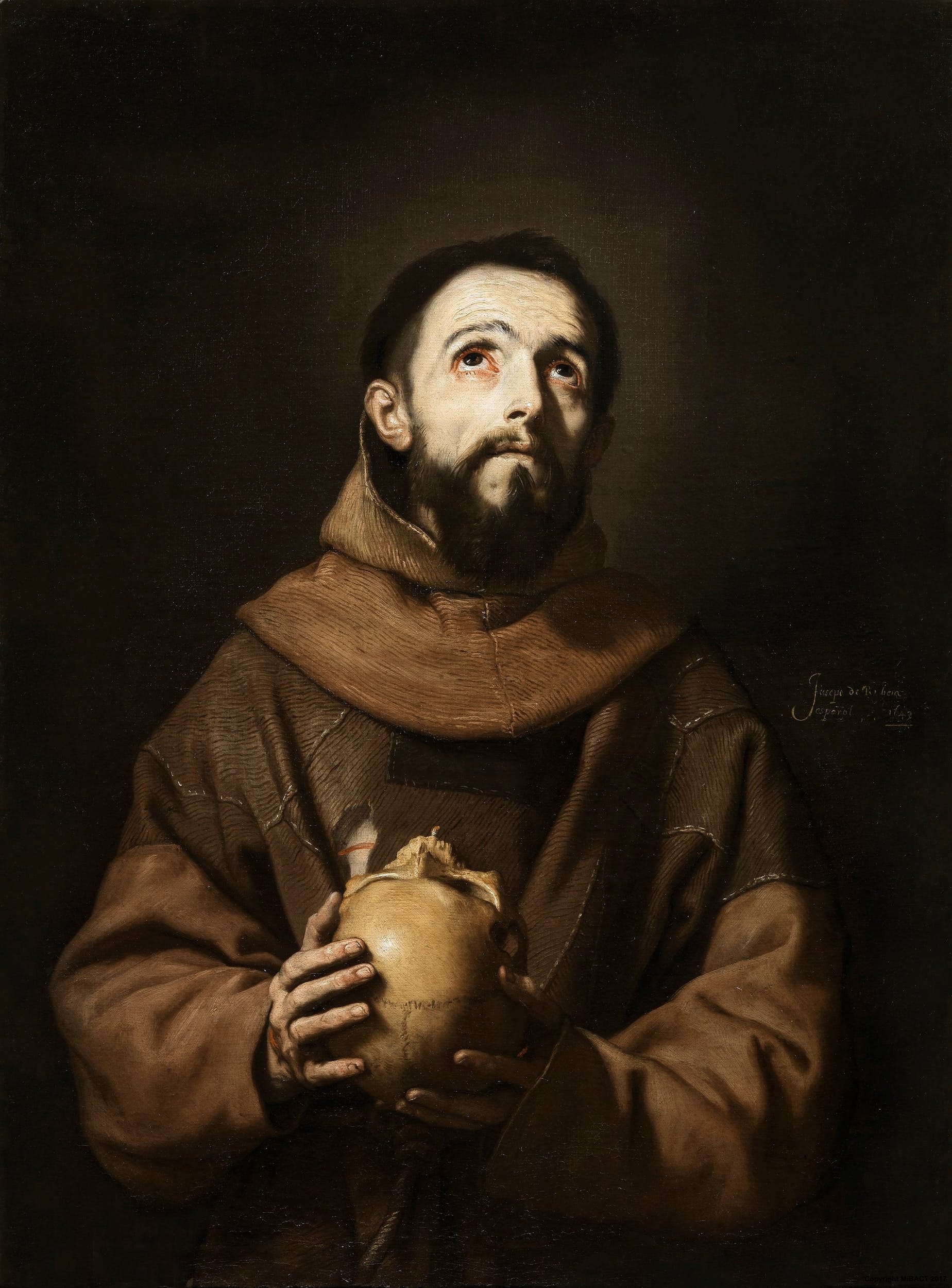
St. Francis of Assisi
Francis of Assisi offered a model of humility, peace, fraternity, solidarity with the poor and respect for creation. This spiritual heritage remains an important part of the Franciscan identity.
LEARNING · FRATERNITY · SERVICE
P.O. Box 1522 – Dodoma, Tanzania
“Feed the mind, free the child.”
BROTHER MARTIN · DODOMA
The Capuchin education mission and the place of Brother Martin Primary School in Dodoma.
FROM HERITAGE TO SERVICE
The story of Brother Martin Primary School is connected to the Capuchin Friars of Tanzania and a Franciscan spirit that values simplicity, fraternity, peace and service. The school is named after the late Brother Martin (“Meku”), a Capuchin friar remembered for simplicity, humility and fidelity to the way of St. Francis of Assisi.
The Capuchins’ official website states that the school was named in honour of Brother Martin (“Meku”), remembered for humility, simplicity and fidelity to the Franciscan way. These values remain a foundation for how we speak about education and formation.
Official education sourceFrancis of Assisi offered a model of humility, peace, fraternity, solidarity with the poor and respect for creation. This spiritual heritage remains an important part of the Franciscan identity.
The Capuchins emerged as a branch of the Franciscan family in Italy. Their name is associated with the capuccio, the hood of their habit. Their life emphasises prayer, humility, simplicity, fraternity and service.
The official Capuchin history records that the first group of Capuchin missionaries arrived in Dar es Salaam in 1921. They came to establish pastoral ministry and work alongside communities in the context and cultures of Tanzania.
In 1923, Brother Gabriel Zelger became bishop of the Dar es Salaam area. The territory covered a wide region, connecting pastoral ministry with community needs across different parts of the country.
In 1925, the Secular Franciscan presence developed in the country. It reflected that the Franciscan spirit could also be lived by lay people in family, work and community life.
In 1930, Brother Edgar Maranta became bishop of Dar es Salaam. During this period, forming Church leaders and local people was important to the long-term development of ministry in the country.
In 1948, an important step was taken in establishing a Capuchin religious house at Sali. It helped strengthen religious formation and the Capuchin presence in Tanzania.
The formation house at Kasita opened in 1961; in 1962 the first group of Tanzanian friars made their first vows. These steps strengthened the roots of the Capuchin community in Tanzania.
In 1963, the Province of Tuscany accepted a mission in the Catholic Diocese of Dodoma, beginning work in Mpwapwa. This is important historical context for the growth of Capuchin ministry in Dodoma; it is not evidence of the founding year of this school.
Additional Capuchin friars were sent to support the mission in Tanzania. In 1970, Maua Minor Seminary opened in Moshi, illustrating the place of formation and education within the community’s wider ministry.
According to the Capuchin historical record, the candidate house moved from Kilomeni to Miyuji in September 1999. Miyuji became an important part of the history of formation and Capuchin activity in Dodoma.
The Capuchin record notes that the candidate house moved from Miyuji to Mlali in 2017. Miyuji remains part of the historical context of Capuchin ministry in Dodoma.
The official Capuchin history records the first group that arrived in Dar es Salaam in 1921. The names listed are Gabriel Zelger, Costantine Egger, Stephan Brogle, Guido Kappeli, Allexander Hanggi, Clemens Studer, Jakob Stalder and Franz Xaver Frei. They built relationships with local communities, learned the local context and developed pastoral and social ministry.
In 1948, steps were taken to strengthen the religious house at Sali and local formation. That year, Br. Alfred Lawrence Menezes was recorded as the first person from the Goan community living in Tanzania to be accepted into the novitiate at Luzern, Switzerland. The formation house at Kasita opened in 1961, and in 1962 the first group of Tanzanian friars made their first vows. These are milestones in the Capuchin history in Tanzania, not the founding date of this school.
After the Dodoma mission began in 1963 in the Mpwapwa area, additional Capuchins were sent to support the work. In 1965, friars from the Province of Bologna—including Fidelis Versari, Costanzo Perazzini, Pius Cesare Giorgi and Adriano Gattei—helped extend the ministry. The candidate house moved to Miyuji in 1999 and later to Mlali in 2017. This explains the Capuchin context in Dodoma; it does not establish the exact year Brother Martin Primary School opened.
In the Capuchin approach, education is more than classroom lessons. It supports the development of knowledge, character, faith, fraternity, peace and the capacity to serve others. Primary schools, seminaries and other educational services are different ways of expressing that mission. The Capuchins identify Brother Martin Primary School as one of their education institutions in Dodoma. Its name is associated with the late Brother Martin (“Meku”), remembered for humility, simplicity and fidelity to the Franciscan spirit.
THE BROTHER MARTIN SCHOOL
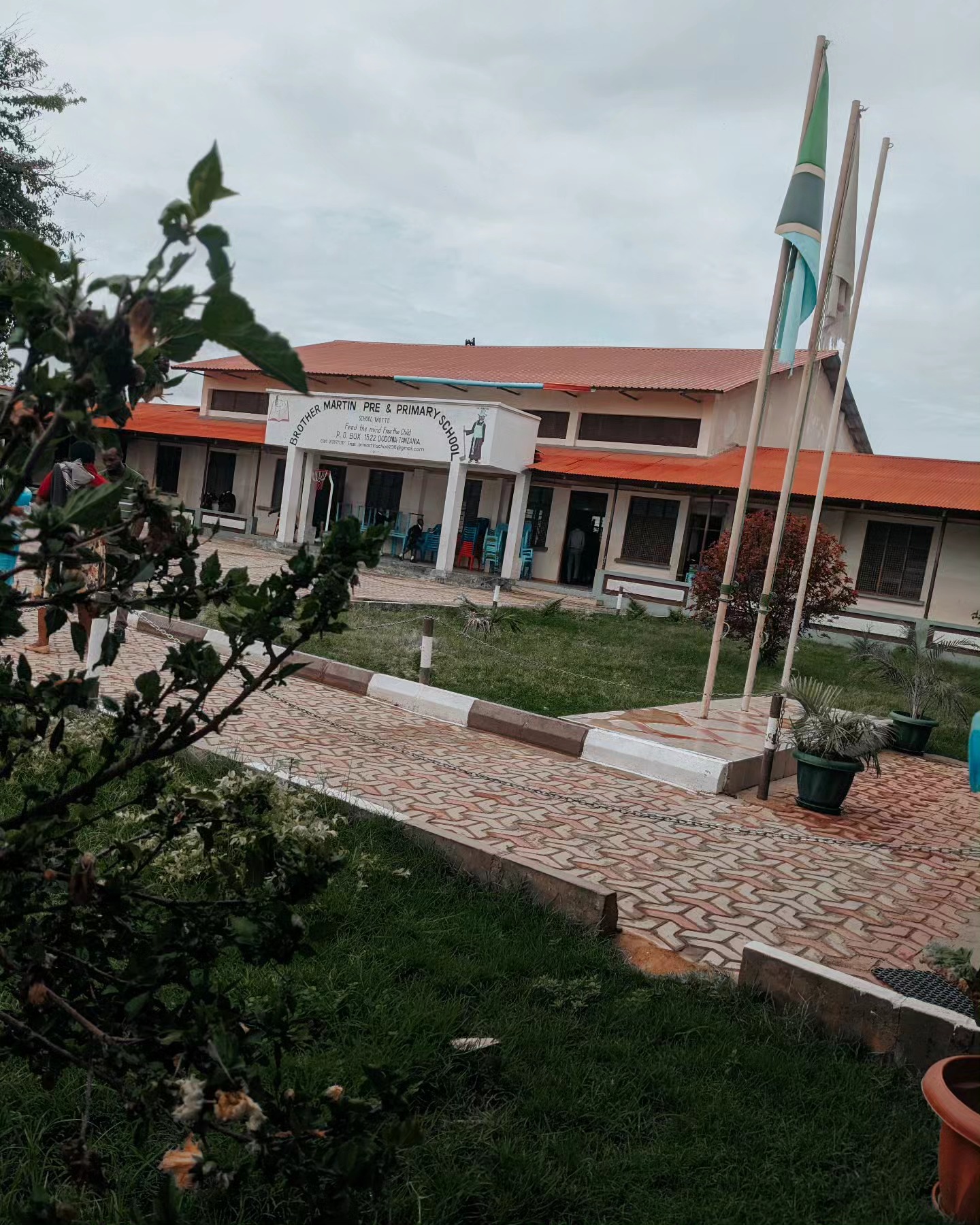
Brother Martin Pre & Primary School is a private school associated with the Capuchin Friars of Tanzania. The project information locates the school in Miyuji/Mnadani, Dodoma, with registration number EM.17045 and examination centre PS0302120. The school’s founding year is not stated here because an official record confirming it has not been supplied.
School information describes day and boarding, early-years education through Standard Seven, classrooms, transport, dormitories, sports, gardens, livestock and meals. These elements show that formation extends beyond lessons into daily activities; current availability of each service should be confirmed with the school office.
NATIONAL EXAMINATION RECORD
NECTA’s official record lists 50 candidates, an average of 277.8800 and Grade A (Bora). Use the NECTA link to check the original record.
The historical milestones above relate to the Capuchins in Tanzania; the institution’s official page is the primary reference for full detail.
WE ARE HERE TO HELP
Contact the school office for current information relevant to your child.