HERITAGE & IDENTITY
Capuchin Friars of Tanzania
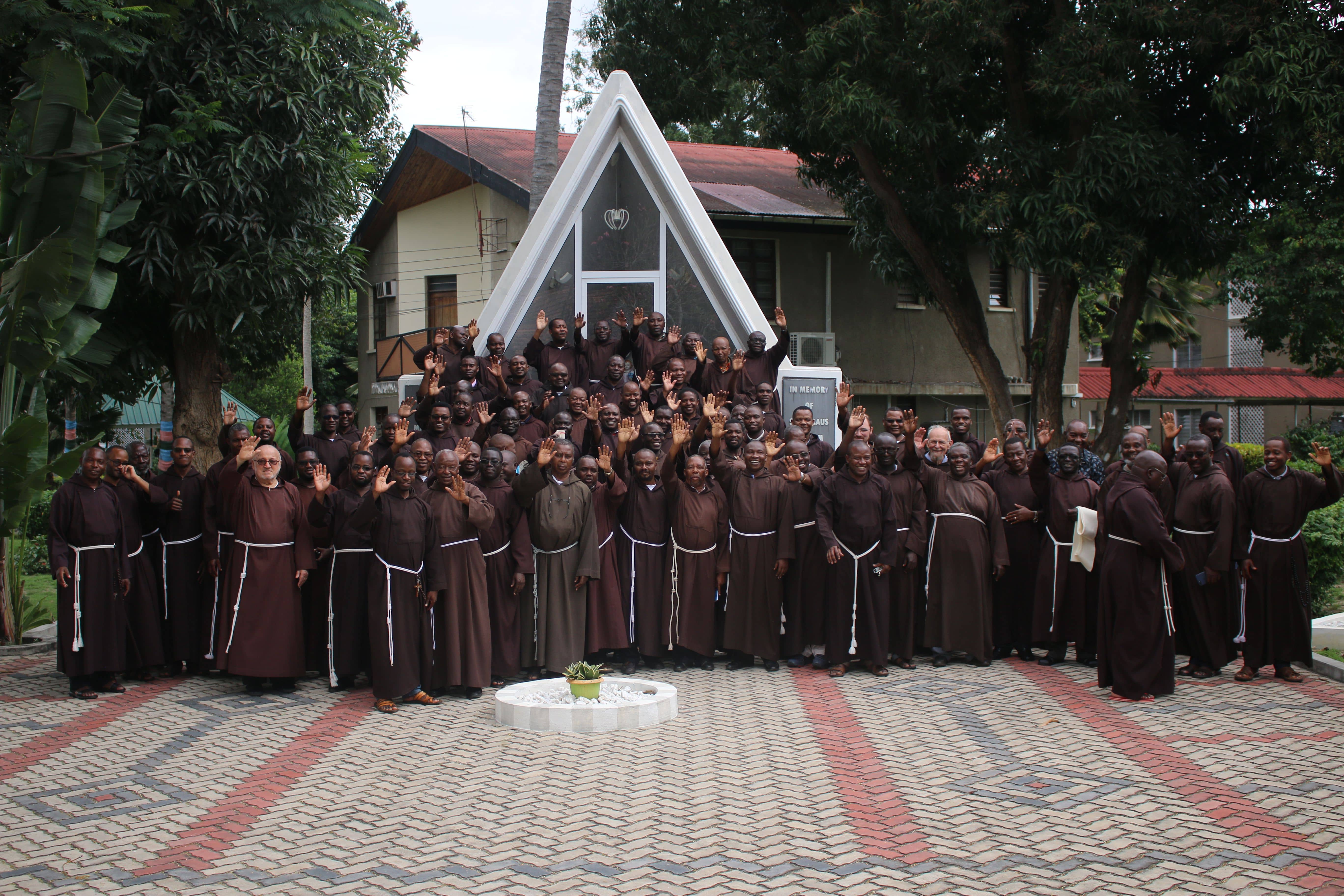
The Capuchins are a Catholic religious order within the wider Franciscan family. This branch emerged in Italy in the sixteenth century, emphasising simplicity of life, prayer, fraternity and closeness to ordinary people. The name Capuchin is associated with “capuccio”, the hood of their religious habit. The outward sign matters because it points to a commitment to humility and service, not to clothing alone.
According to the official history published by the Capuchins in Tanzania, the first group of missionaries arrived in Dar es Salaam in 1921. They included Gabriel Zelger, Costantine Egger, Stephan Brogle, Guido Kappeli, Allexander Hanggi, Clemens Studer, Jakob Stalder and Franz Xaver Frei. In 1923, Gabriel Zelger was consecrated bishop for a territory that included Dar es Salaam and areas such as Mahenge, Ifakara, Dodoma and Iringa. These milestones show how the mission developed and spread.
The same timeline records the beginning of the Secular Franciscan movement in Tanzania in 1925 and names Rafael Malizani as the first to make perpetual profession. In 1930, Edgar Maranta became bishop and placed greater emphasis on forming local Tanzanian clergy. An agreement in 1948 opened the way for a religious house at Sali. Later, a formation house opened at Kasita in 1961; in 1962 the first members of a named group of Tanzanian brothers made their first profession.
In 1963, the Tuscan Province accepted a mission in the Catholic Diocese of Dodoma, beginning work in Mpwapwa. In 1965, friars from the Province of Bologna joined in supporting the work. The Province later developed formation, education, parish, healthcare and community services. Maua Seminary opened in 1970; the candidates’ formation centre moved to Miyuji in 1999 and later to Mlali in 2017.
This timeline should be read carefully: it describes the history of the Capuchins in Tanzania, not the founding dates of every individual school. Brother Martin Primary School is part of the Province’s educational ministry in Dodoma. The official education page states that it honours Brother Martin “Meku” and seeks to combine academic learning with spiritual, moral and social development.
Today, the Capuchins’ work in Tanzania includes schools, a seminary, parishes, spiritual centres, healthcare and community service. Its central idea is that faith should be visible in how people are cared for. For a school, this heritage calls teachers, parents and pupils to build a community of respect, integrity, peace and meaningful learning.
Read the official Capuchin Tanzania sources: Capuchin History ↗ · Education Ministry ↗