HERITAGE & IDENTITY
Heritage & Story
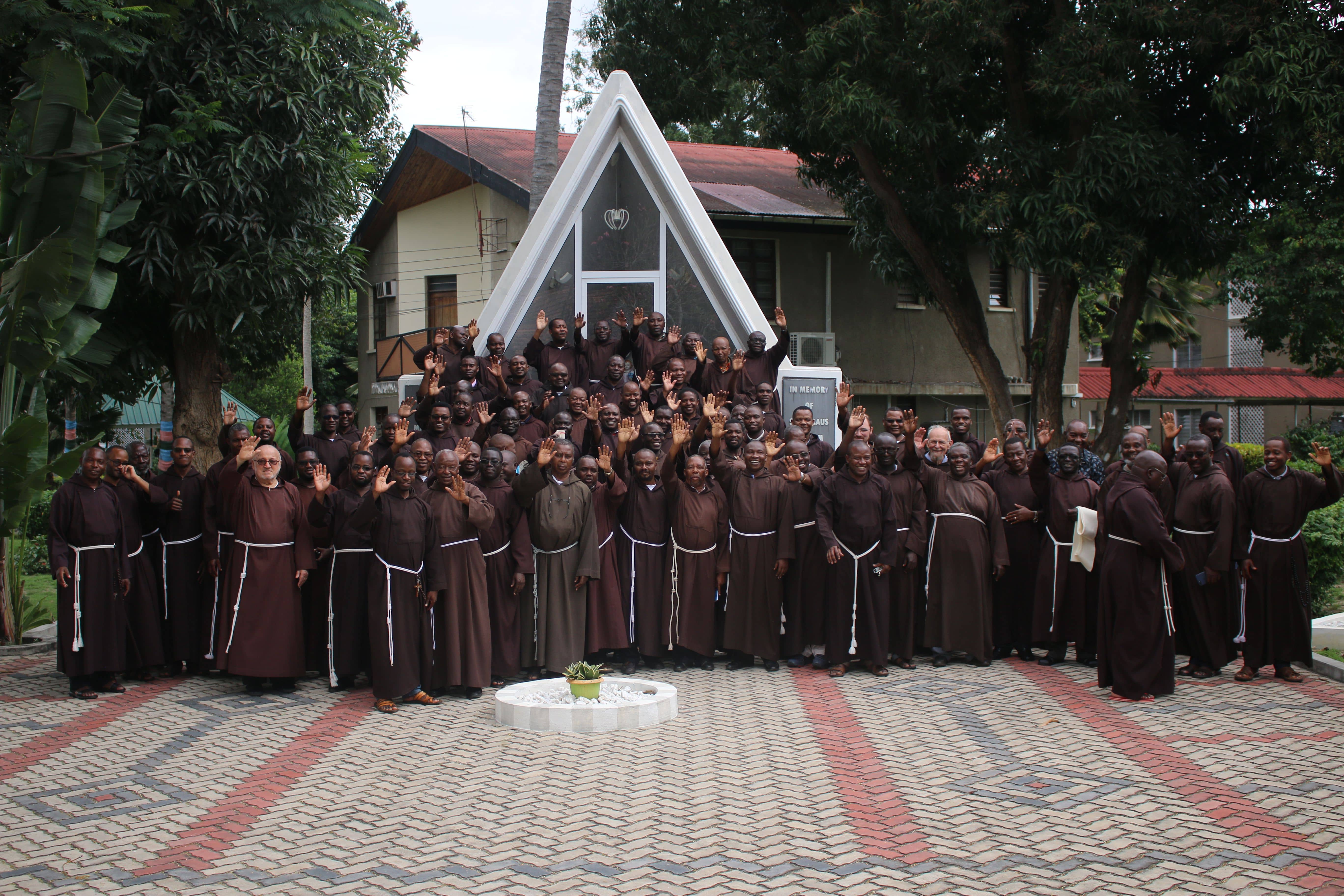
Brother Martin Pre & Primary School is in Dodoma and operates under the educational ministry of the Capuchin Friars of Tanzania. Its name honours Brother Martin, also known as “Meku”, a Capuchin brother remembered for simplicity, humility and fidelity to the Franciscan way of life. The Friars’ official education page says the school seeks to give children a solid foundation by joining academic learning with spiritual, moral and social development.
This heritage reaches back to St Francis of Assisi, whose example encourages a simple life, respect for every person, peace, care for creation and service to people in need. The Capuchins are a branch of the wider Franciscan family that developed in the sixteenth century. Prayer and fraternity are not meant to stand apart from society; they should lead to compassion, education, care and responsibility in practical life.
The Capuchin mission in Tanzania began in 1921, when the first group of missionaries arrived in Dar es Salaam. The following decades saw the mission expand, local formation develop and services take root in different regions. In 1963, the Tuscan Province accepted a mission in the Catholic Diocese of Dodoma, beginning work in Mpwapwa. This is an important milestone for understanding the Capuchin presence in Dodoma, although it does not by itself establish the exact founding year of the school.
In 1999, the Capuchin candidates’ formation centre moved to Miyuji in Dodoma; in 2017 it moved from Miyuji to Mlali. These changes form part of the wider history of the Province and should not be confused with a confirmed founding date for Brother Martin Primary School. Good school history distinguishes the history of the religious community, the history of a place and the specific history of the school itself.
The Capuchins describe education as more than teaching academic subjects: it forms minds and hearts. Brother Martin Primary School aims to connect learning with respect, character, faith and service to others. The school motto, “Feed the Mind, Free the Child”, captures the aspiration to offer knowledge while giving children room to grow with confidence, joy and responsibility.
This section brings together history, people and values that shape the school’s purpose. It invites parents, pupils and visitors to see heritage not only as a record of the past but as a daily responsibility: how we teach, listen, respond to differences and help every child discover their abilities. The principal historical sources are the official Capuchin Tanzania history and education pages.
Read the official Capuchin Tanzania sources: Capuchin History ↗ · Education Ministry ↗