
HERITAGE & IDENTITY
Franciscan & Capuchin Heritage
The Franciscan family is rooted in the life and teaching of St Francis of Assisi. Francis chose simplicity and service rather than the pursuit of status and wealth. He gathered brothers who wanted to live the Gospel through fraternity, prayer, peace and care for people pushed to the margins. The wider Franciscan family later developed branches with their own histories and emphases, including the Capuchins.
The Capuchins emerged in Italy in the sixteenth century as part of a movement to renew simplicity and closeness to ordinary people. Their name is associated with the capuccio, the hood of their habit. Yet this heritage should not be reduced to the appearance of a garment. Its heart is fidelity to prayer and community life, and service that expresses compassion, especially towards people facing need.
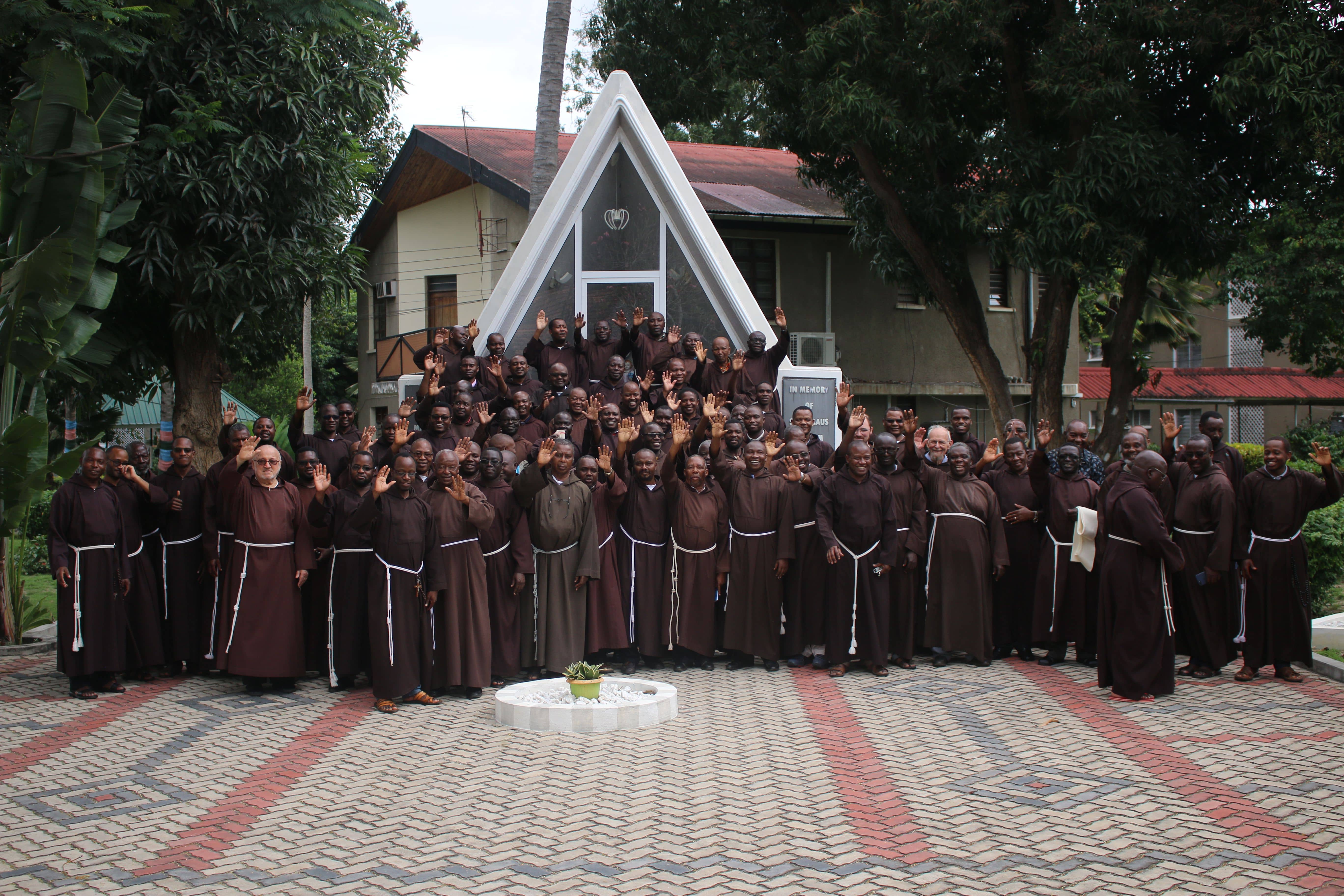
In Tanzania, the official Capuchin history begins with missionaries arriving in Dar es Salaam in 1921. The mission later expanded into different regions and developed formation, parish and educational services. The mission in Dodoma began in 1963 in the Mpwapwa area, and the move of the candidates’ formation centre to Miyuji in 1999 is one of the milestones connecting the Province with the Dodoma setting.
This heritage matters to a school because education is an opportunity to turn values into habits. Humility appears when someone is willing to learn from another person. Fraternity appears in cooperation and the refusal to discriminate. Peace appears in resolving conflict safely. Service appears in helping without demanding praise. Care for creation appears through cleanliness and responsible use of resources.
Brother Martin “Meku” is officially remembered for simplicity, humility and fidelity to Franciscan life. The school’s name therefore connects education with these values. This does not mean every child must be the same or follow one life path; it means children should be given space to grow in knowledge and character while learning to respect others.
The school can carry this heritage forward through prayer and reflection where appropriate, partnership between teachers and families, practical learning, respectful sport and an environment that does not tolerate abuse. At that point, heritage becomes more than history on a page: it becomes a measure of how the community treats children and fulfils its responsibility.
Read the official Capuchin Tanzania sources: Capuchin History ↗ · Education Ministry ↗