HERITAGE & IDENTITY
Saint Francis of Assisi
Francis of Assisi lived in Italy in the late twelfth and early thirteenth centuries. He is remembered for turning away from expectations of status and wealth and choosing to follow Christ through simplicity, prayer and service. Rather than building a life above others, he chose to live as a brother to people from different circumstances and to draw close to those neglected by society.
Francis gathered followers who wanted to live the Gospel through fraternity and humility. They became known as the Friars Minor; over later centuries the wider Franciscan family developed different branches. The Capuchins are one of these branches, with a particular emphasis on simplicity, prayer, community life and service. Understanding the Capuchins therefore includes understanding the Franciscan roots they share.
One well-known theme in Franciscan heritage is respect for creation. Stories about Francis’s relationship with living things present the world as a gift from God and invite people to live without contempt or unnecessary destruction. In school, this perspective can encourage pupils to care for plants, use resources responsibly and respect life. These values are best taught through examples and activities suitable for children’s ages.
Peace is also central to Franciscan heritage. Peace is more than the absence of conflict; it requires people to listen, admit that they may be mistaken and seek ways to resolve differences. For children, this is visible in respectful language, preventing bullying, including pupils who have been left out and asking an adult for help when a problem is beyond their ability to resolve.
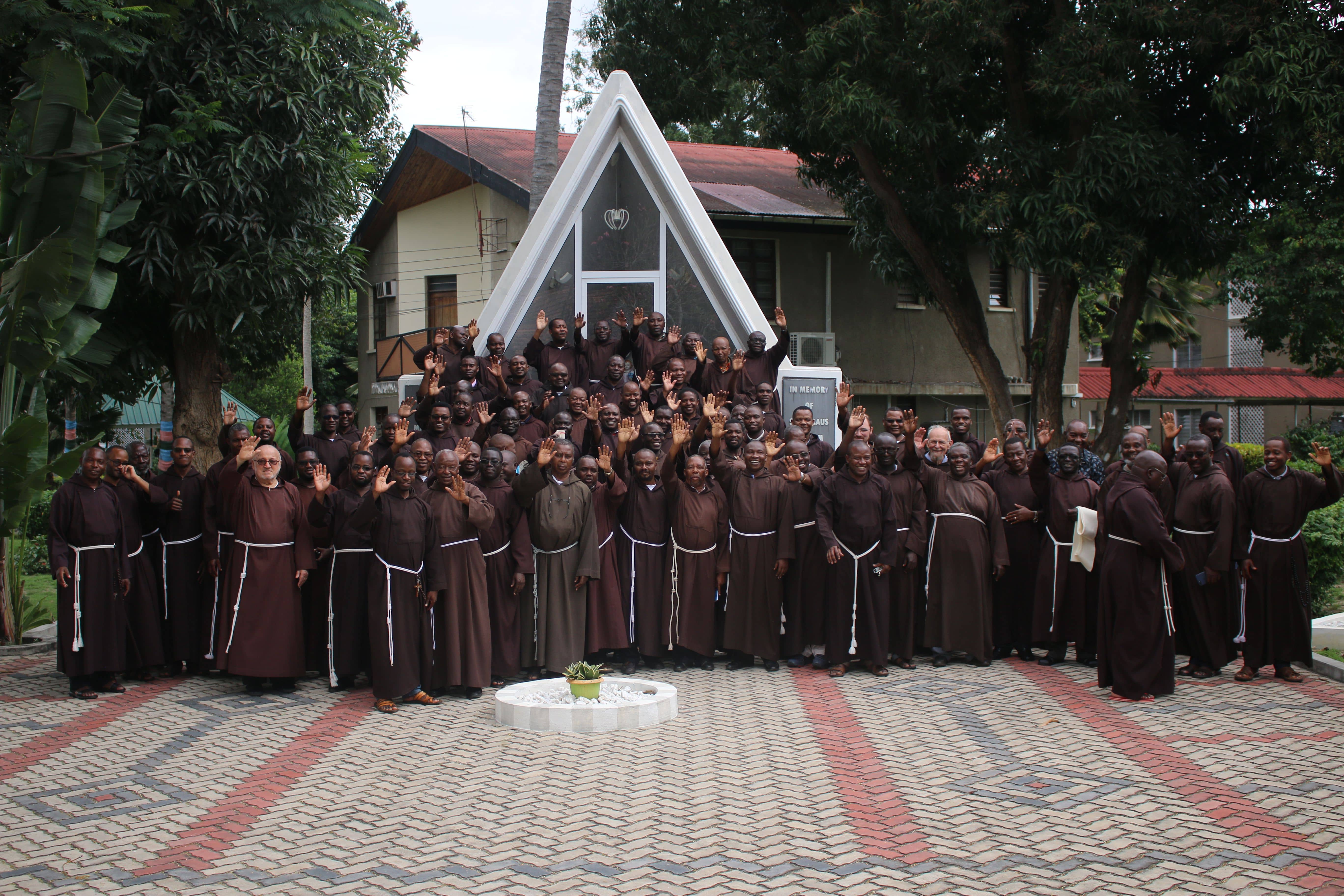
Franciscan heritage continues in the Capuchins’ work in Tanzania through education, parish ministry, healthcare and community activities. The official Capuchin website says their educational mission is inspired by Francis’s spirit to nurture faith, fraternity, peace and service with integrity. Brother Martin Primary School in Dodoma is part of this educational work and is named in honour of Brother Martin “Meku”.
The images of Francis on this page are artworks and expressions of Franciscan heritage, not contemporary photographs. One artwork is linked from a Vatican Museums page; its source description can be opened through the link beneath the image. This helps the website distinguish historical art from photographs of real people and keeps the image source transparent.
For the school, Francis’s example raises a practical question: does our knowledge help us respect others and care for the world? When children are taught confidence alongside humility, learning alongside service, and freedom alongside responsibility, this heritage becomes part of everyday education rather than a history lesson alone.
Read the official Capuchin Tanzania sources: Capuchin History ↗ · Education Ministry ↗